Signs it's time for heat replacement, and the signs it isn't
On this page · 8 sections
When a furnace quits on a cold night, the first thing a lot of homeowners hear is that the system is old and needs to go. Sometimes that's true. But we've walked into plenty of homes around Portland and Gresham where another company had already written up a full replacement, and the real problem turned out to be a single part, a bad connection, or an undersized breaker. A new furnace is a big purchase, and you deserve to know which kind of problem you actually have before you sign for one.
This post walks through the signs that point toward replacing your heat, the signs that point toward a repair, and the questions worth asking before anyone hands you a quote. Most of it you can check yourself, without climbing into the attic or pulling a panel off.
The short answer
Bottom Line Up Front
If the heat exchanger is confirmed cracked, or major parts keep failing on an aging furnace, replace it. If one part failed and the rest of the system is sound, repair it, and don't accept "replace it" from anyone who can't show you why.
Replacement is sometimes the honest answer, but it gets recommended far more often than it's needed. The signs that really point to a new furnace are safety problems, a pattern of repeat failures, and a system that no longer fits the home. Everything else deserves a real diagnosis first.
The rest of this post explains the signs behind that answer, with a decision table at the end that sorts most situations in a minute or two.
Sign 1: The heat exchanger is cracked or badly corroded
The heat exchanger is the metal wall that keeps combustion gases separate from the air your blower pushes through the house. When it's genuinely cracked or rusted through, that's a safety problem, not a comfort problem, and it's the clearest replacement signal there is. We cover why in more detail in our post on the dangers of a cracked heat exchanger.
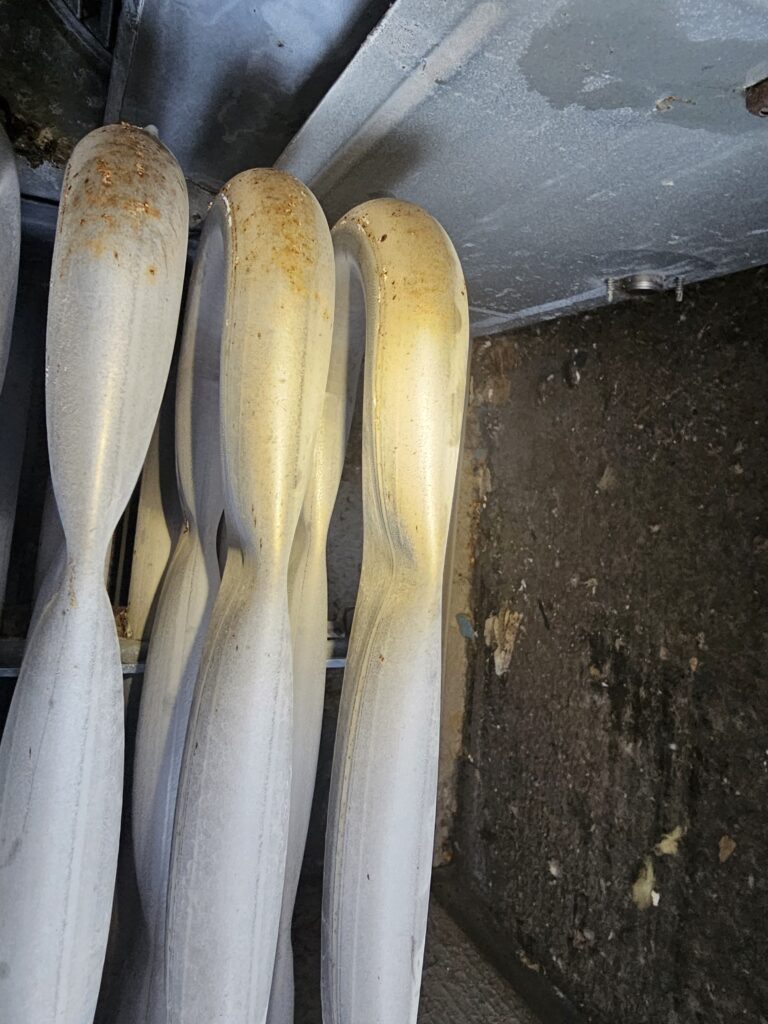
The key word is verified. We once got a call from a homeowner whose furnace had been tagged out by another company as cracked, with the gas shut off and a replacement recommended. When we traced the problem, it came from the condensate pump: after about ten years, the contacts and circuitry inside had corroded to the point that it couldn't pass 24 volts downstream. We confirmed the furnace was not breaching, fixed the actual fault, and that furnace kept running. A real crack means replace. A suspected crack means get it confirmed.
Repair vs. replace at a glance
Each row below is a factor that can drive the decision. The highlighted column is the smarter call when that factor is the one weighing on you.
| Factor | Lean Repair | Lean Replace |
|---|---|---|
| What failed | One part: igniter, sensor, valve, or board | Several major parts, one after another |
| Heat exchanger | Sound, or surface rust only | Confirmed cracked or rusted through |
| Repair history | First real problem in years | A new repair every heating season |
| Diagnosis | Root cause found and explained | Problem verified, not guessed |
| Electrical issues | Tripping breaker traced to wiring or sizing | Failures inside the equipment itself |
| Bills and comfort | Ducts, filter, or setup can be corrected | System can't keep up even when serviced |
| Refrigerant (heat pumps) | Holds a charge after service | Old R-22 system that keeps losing charge |
Your furnace probably fits more than one row. The right call is whichever column wins the most of your rows.
Look at the breaker panel to see whether the furnace breaker has tripped, and check whether the blower fan is running at all. We ask about both when you call, because the answers often tell us whether a visit is even needed. A tripped breaker that keeps tripping is a clue, not a death sentence for the furnace.
Sign 2: You're paying for repair after repair
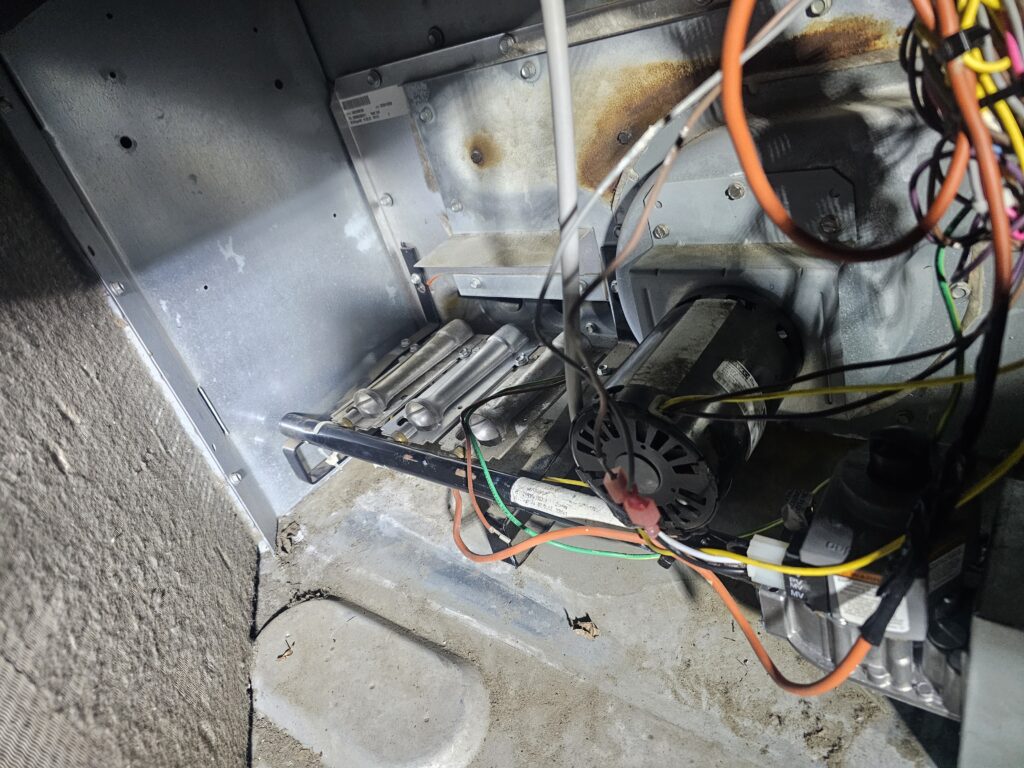
One failed igniter, flame sensor, or inducer motor is normal wear, and swapping that part is what heating repair is for. The picture changes when different major parts fail one after another: the gas valve this winter, the control board the next, the inducer after that. At some point you're rebuilding an old furnace one part at a time, and each fix only buys time until the next one.
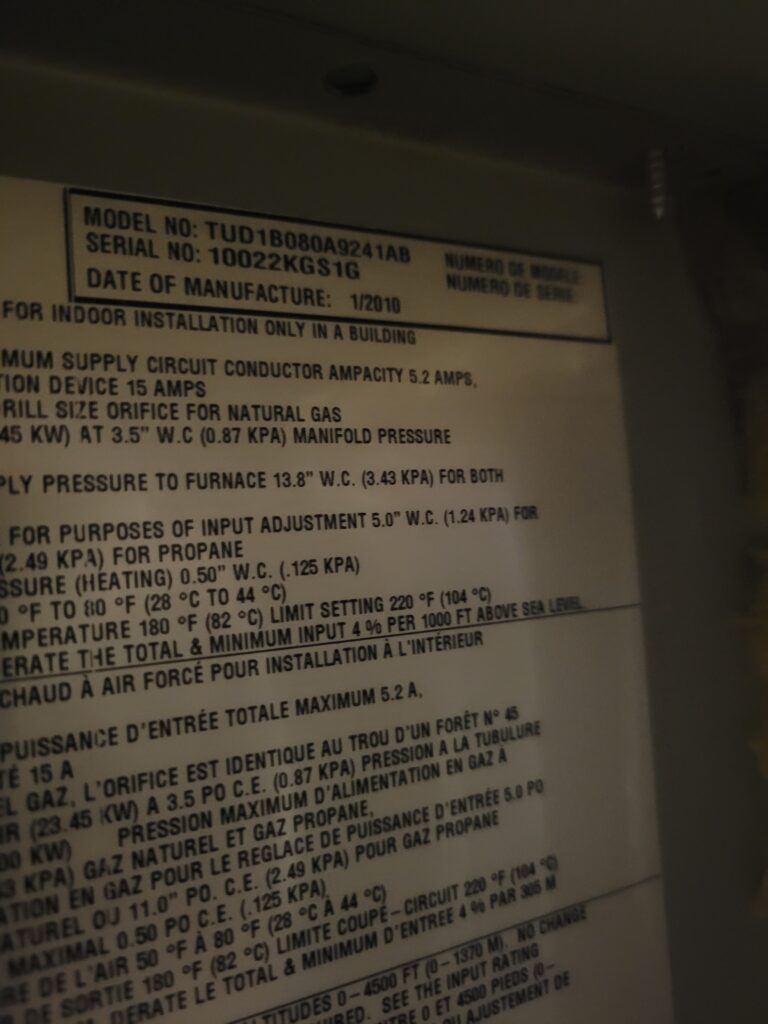
The age of the unit matters here, and you can find it yourself. Open the furnace closet and look for the rating plate on the cabinet. It lists the model and serial numbers, and many plates show the manufacture date outright.
Sign 3: The bills keep climbing and the house still isn't comfortable
Rising heating bills, rooms that never warm up, and a system that runs and runs are all real symptoms. They are also symptoms with causes that are not always the furnace. Leaky ductwork, a clogged filter, a dirty coil, or a misdiagnosed electrical problem can all make a working system look like a failing one.
A friend of ours had a heat pump that quit, so the house was running on the furnace's electric heat, and in the middle of winter the breaker kept tripping. Two companies came out before us and both said the system was old and needed replacing. We found the breaker was undersized for the load, verified everything, tuned up the electric furnace, and recharged the R-22 heat pump. That saved him at least $400 a month on his heating bill, without a new system.
Signs a repair will do
The furnace has life left and the problem is contained. Fix it and keep the heat on.
What we look for
- One component failed, and testing points to it: an igniter, flame sensor, gas valve, or inducer motor.
- The heat exchanger and cabinet are sound when inspected up close.
- The furnace has been reliable for years until this problem showed up.
- The symptom traces to something outside the furnace, like a breaker, a drain pump, or the ductwork.
Signs it's time to replace
The system is failing as a whole, or it isn't safe. Patching it buys months, not years.
What changes the answer
- A crack or rust-through in the heat exchanger has been confirmed, not just suspected.
- Different major parts have failed in back-to-back heating seasons.
- The rating plate shows an aging unit and parts are getting hard to find.
- The house stays uncomfortable even after the ducts, filter, and setup have been addressed.
A lot of HVAC companies send a salesperson, not a technician, and the job of a salesperson is to sell a new unit. If someone tells you replacing the whole system is your only option without showing you what failed and why, don't go with them. Get multiple quotes. Ask to talk with the person who actually diagnosed the problem. Listen for sincerity, and if the explanation sounds like a story, trust your gut.
Sign 4: The fix no longer makes sense for the system you have
Sometimes the furnace isn't broken so much as outgrown or outdated. An older heat pump running on R-22, a refrigerant that has been phased out, gets harder to keep charged every year. A home that's been remodeled may need a different setup altogether. And if you're weighing a fuel change, our post comparing electric and gas heating and Portland's guide to home heating systems are good places to start.
“We'd rather fix a problem the right way the first time than sell a furnace nobody needed. When replacement is the honest answer, we'll show you exactly why.”— Talon Mechanical
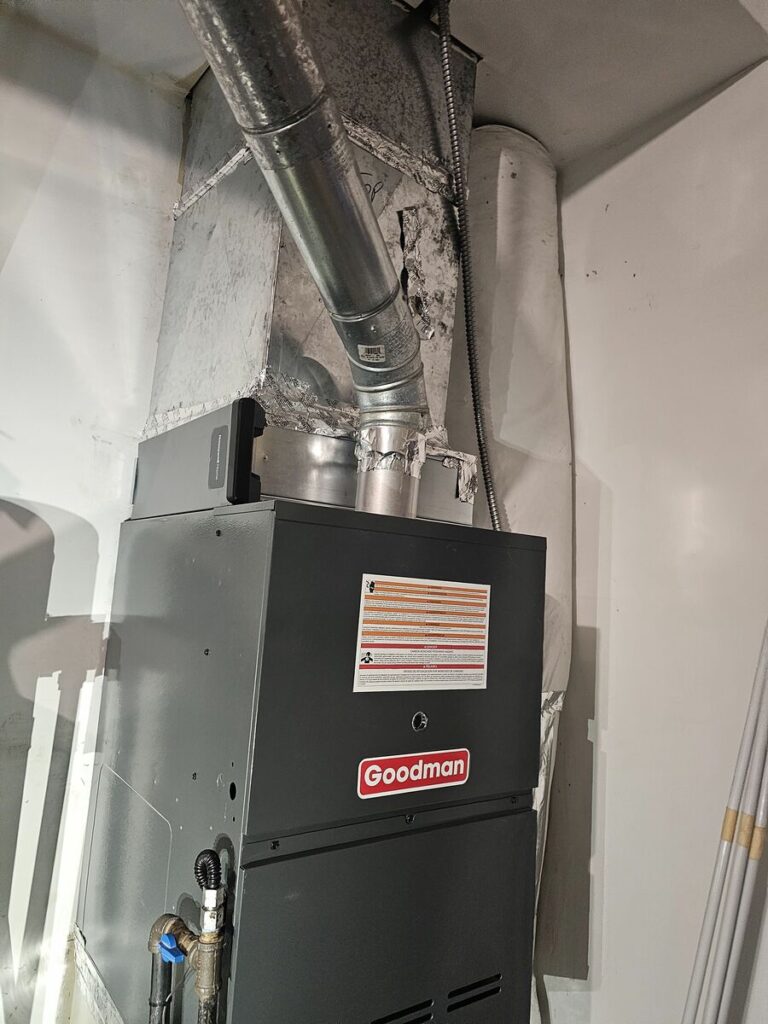
When replacement is the right call, the equipment matters. We like Goodman. It's more basic than some brands, with fewer bells and whistles, and that's a good thing for reliability over the long term. It still comes with a ten-year warranty, and you aren't paying twice the price for a name. That said, the right furnace depends on the home and the customer, so we talk it through with you first.
The decision matrix
Find the rows that match your furnace, then see which column wins more of your rows. Most homes fit more than one.
| If your furnace… | Repair | Replace |
|---|---|---|
| Has one failed part | Yes | Overkill |
| Has a confirmed cracked heat exchanger | Not safe to patch | Yes |
| Was tagged out but never explained | Get it verified | Not yet |
| Needs a new major part every season | Stopgap only | Yes, usually |
| Keeps tripping its breaker | Find the cause first | Premature |
| Runs fine but bills keep rising | Service it first | If service doesn't help |
| Is paired with an old R-22 heat pump | If it holds a charge | Worth discussing |
The bottom line
Replace your heat when the heat exchanger is confirmed cracked, when major parts keep failing on an aging unit, or when the system no longer fits the home. Repair it when one part has failed, the cabinet and heat exchanger are sound, and the real cause has been found. And if anyone pushes a replacement without showing you why, get a second opinion before you replace anything.
If you're not sure which side of the line your furnace is on, start with a call. We'll talk through what you're seeing, help you check the breaker and the fan, and come out if it needs eyes on it. If it's a repair, every fix we make carries our 30-day guarantee: if we got it wrong, we come back and make it right at no charge. If it's time for a new furnace, we'll explain exactly why before you spend a dollar. And if the heat is out tonight, you can call us any time for emergency HVAC service.