
Comparing electric vs. gas heating systems for Portland-area homes
On this page · 9 sections
A lot of the heating calls we take across the Portland metro come with a bigger question riding along: should this house even be on the fuel it's on? Maybe the electric bill spiked last January. Maybe the furnace is getting old and someone has already pitched a replacement. Maybe you just bought a place with baseboard heaters and a gas line stubbed out in the garage, and you're wondering which way to go.
There's no single right answer for every home, but there is a right answer for yours. It comes down to what you already have, what it costs you to run, what each system asks of you on safety and upkeep, and whether you want cooling out of the same equipment. Here's how we walk customers through it.
The short answer
Bottom Line Up Front
If you already have a gas line and a sound furnace, gas is usually the cheaper way to heat a Portland-area home through a long, wet winter. If you have no gas service, a smaller space, or you want cooling too, electric, and especially a heat pump, usually makes more sense. Electric resistance heat as your only source is the expensive way to stay warm.
Neither fuel is better in every house. The answer depends on what's already on site, what your system costs to run, and what you want it to do in July as well as January. And before you switch anything, make sure the system you have is actually finished. A lot of heating that gets written off as worn out is a breaker, a part, or a refrigerant charge away from running right.
electric-backup home we diagnosed
equipment we like to install
we make it right at no charge
The rest of this post explains why, with a side-by-side table, the honest trade-offs of each fuel, and a decision matrix at the end that sorts most homes in about a minute.
How gas and electric heat actually work
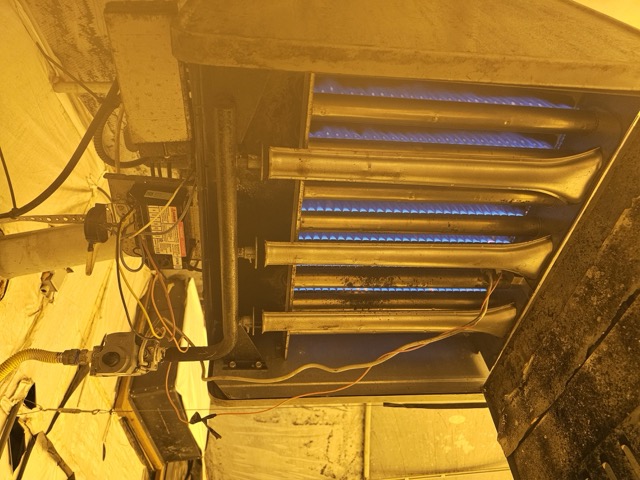
A gas furnace burns natural gas or propane inside a sealed heat exchanger. The blower pushes your home's air across the hot metal and out through the ducts, while the combustion gases go out the flue. The flame never touches the air you breathe, which is exactly why the heat exchanger, the burners, and the venting matter so much.
Electric heat comes in two very different flavors. Resistance heat, like an electric furnace or baseboard heaters, runs current through heating elements the way a toaster does. A heat pump moves heat instead of making it, pulling warmth out of the outdoor air and bringing it inside. Both run on electricity, but they behave very differently on your bill. Our heating systems page covers the equipment types we work on.
Gas vs. electric at a glance
This is the comparison we'd sketch out for you on the back of a work order. Each row is a factor that actually changes the decision; the highlighted column is the one that usually comes out ahead on that factor.
| Factor | Gas Heat | Electric Heat |
|---|---|---|
| What it needs to run | Natural gas line or propane tank | Electrical service sized for the load |
| Running cost in a long winter | Usually lower where gas service exists | Higher on resistance heat; a heat pump narrows the gap |
| Installing where there's no gas | Adds gas piping and venting | Often simpler: power and ductwork |
| How the heat feels | Warmer air at the register, heats up fast | Gentler, steadier air |
| Safety | Venting, burners, and heat exchanger need inspection | No combustion, no carbon monoxide from the unit |
| Tune-up checklist | Burners, ignition, flame sensor, and venting | Elements, breakers, wiring, and blower |
| Cooling from the same system | Needs a separate air conditioner | A heat pump heats and cools |
| Power outage | Most still need power for the blower and controls | Off until the power returns |
A general comparison for Portland-area homes, not a quote. Your utility rates, your ductwork, and the equipment you already have can swing any row.
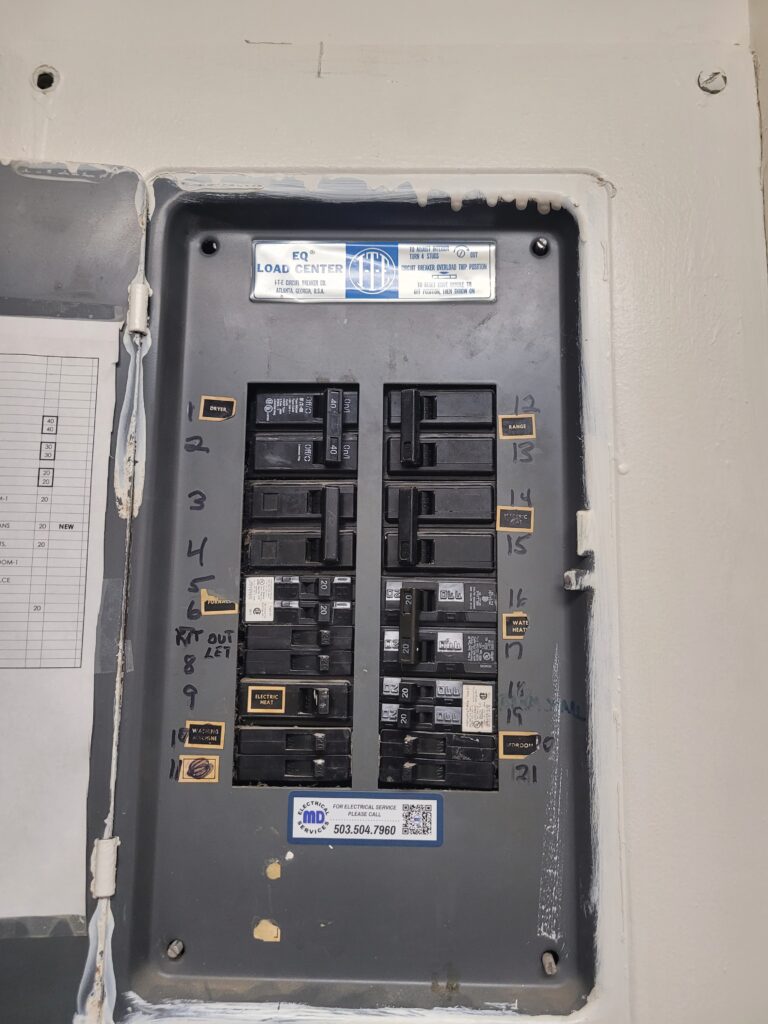
Before you start pricing a whole new system, look at the breaker box and listen for the blower fan. A tripped breaker, a dead thermostat battery, or a fan that won't start can make a healthy system look finished. When you call us, we talk through these same checks over the phone, and sometimes that's all it takes to know whether anyone needs to come out at all.
What running costs look like on your bill
Running electric resistance heat as the main source through a long Northwest winter is usually the most expensive way to keep a house warm. Gas, where you already have service, generally costs less to run. A heat pump closes much of that gap because it moves heat rather than making it from scratch, and that's why so many electric homes are better off with one working in front of the backup heat.
We saw how big the difference can be on a friend's house. Their heat pump had quit, so the home was running entirely on the electric heat in the furnace, and in the cold the breaker kept tripping. Two companies had already come out and said the system was old and needed replacing. We diagnosed it instead: the breaker was undersized, the result of electrical work someone had no business doing. We verified everything, tuned up the electric furnace, and recharged the R22 in the heat pump. That brought the monthly heating bill down by at least $400, without a new system.
Safety: what each system asks of you
Gas heat is safe when it's installed and maintained properly, but it asks more of you. Burners, ignition parts, venting, and the heat exchanger all need regular attention, and a carbon monoxide alarm belongs in every home with a gas appliance. We explain the warning signs in what a cracked heat exchanger means. Electric heat has no flame and no combustion, so the unit itself can't produce carbon monoxide. Its weak points are electrical: elements, wiring, breakers, and the circuits that feed them.
Safety calls also have to be accurate. We were called to a gas furnace that another company had tagged as cracked and shut the gas off to. When we traced the problem, it came from the condensate pump: after about ten years, the contacts and circuitry inside had corroded to the point that they couldn't pass 24 volts downstream. We worked around the failed pump connection, verified the system was not breaching, and confirmed the furnace could run safely. Fixing it the right way the first time is how that job turned into a long working relationship.
Plenty of companies send a salesperson when what you need is a technician. If the first and only option on the table is replacing the whole system, get another quote before you sign anything. A cooling or heating problem is often isolated to something electrical or an undercharged system, and a good technician can show you which. Listen for sincerity, and if the explanation feels like a story, trust your gut. Our post on getting a second opinion before replacement goes deeper.
Gas heat
The workhorse for homes that already have gas service.
Where it wins
- Running costs are usually lower than electric resistance heat through a long winter.
- Supply air comes out of the registers noticeably warm, and the house heats up quickly.
- If the gas line and venting are already in place, a furnace changeout is straightforward.
- It keeps up on the coldest nights without leaning on backup heat.
Where it falls short
- Burners, ignition, venting, and the heat exchanger need regular inspection.
- Every home with gas heat needs working carbon monoxide alarms.
- Adding gas to a home that doesn't have it means new piping and venting.
- It heats only; cooling takes a separate air conditioner.
Electric heat
Simpler and flame-free, and a heat pump changes the cost picture.
Where it wins
- No flame and no combustion, so the unit itself can't produce carbon monoxide.
- No gas line needed, which keeps installs simpler in homes without service.
- A heat pump heats in winter and cools in summer from one outdoor unit.
- Ductless mini-splits handle attics, additions, and single rooms without new ducts.
Where it falls short
- Resistance heat as the main source runs up the electric bill fast in winter.
- Heating elements draw heavy current, so undersized breakers and wiring show up as trips.
- Supply air feels cooler at the register than it does from a gas furnace.
- A heat pump that quits quietly hands the load to the more expensive backup heat.
Where heat pumps fit into the gas vs. electric question
A heat pump is electric, but it doesn't belong in the same bucket as baseboard heaters. It heats in winter and cools in summer from one outdoor unit, which makes it a strong fit for homes without gas, homes that want air conditioning, and homes pairing it with a gas furnace for the coldest stretches. If you're wondering how they hold up when the temperature drops, we covered that in whether heat pumps work in Portland winters.
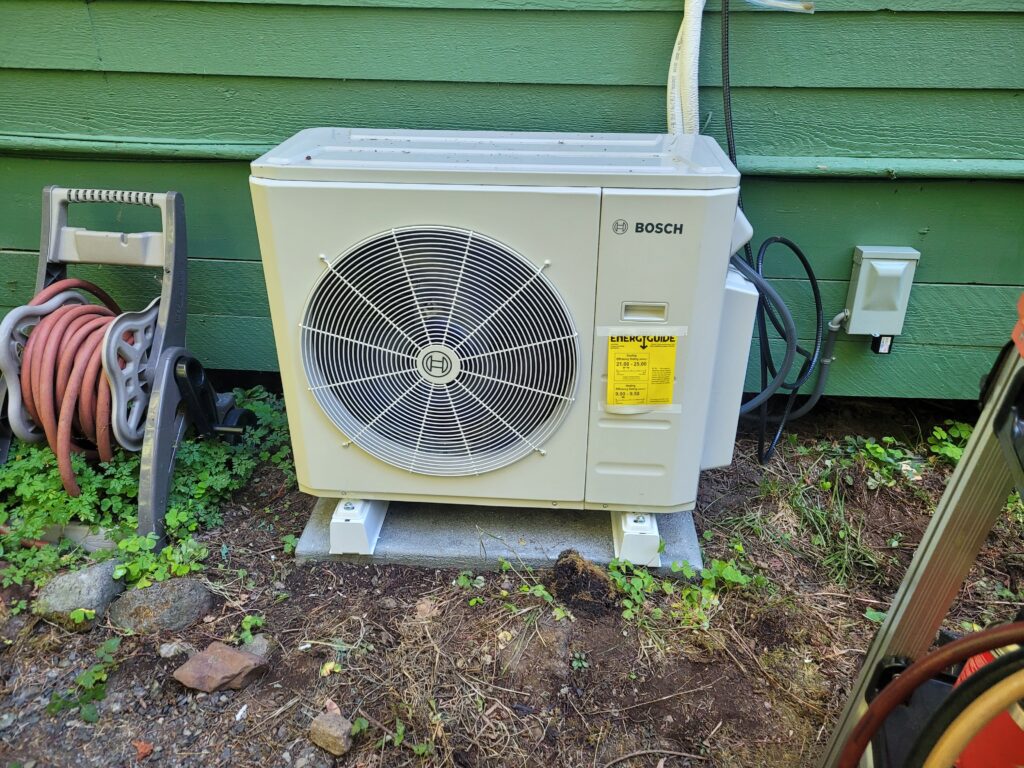
Ductless mini-splits are the same idea for a single space. We installed one in an attic living area that had never had real heating or cooling, and that room now has both. For an addition, a finished attic, or a bonus room, running gas piping and new ducts is often more than the space needs.
Switching fuels or replacing what you have
If your current system still has life in it, the cheapest heat is usually the heat you already have, repaired properly. When it is time for new equipment, the comparison above is where to start: the fuel you have on site, what you pay to run it, and whether you want cooling too. Our heating replacement and installation service covers gas furnaces, electric systems, and heat pumps, and the Portland guide to home heating systems walks through every option side by side.
On equipment, we like Goodman. It's more basic than some brands, with fewer bells and whistles, and that's a good thing for long-term reliability. You still get a ten-year warranty, and you're not paying twice the price for a name. The right unit still depends on the customer, so we match the equipment to your home rather than the other way around.
“If someone tells you replacing the whole system is your only option, that's the moment to get another quote. Most heating problems have a cause, and the cause is what you should be paying to fix.”— Talon Mechanical
The decision matrix
If you only use one part of this post, use this table. Find the rows that describe your home and see which column has the stronger answer. Most homes match more than one row, and the right pick is the column that wins most of your rows.
| If your home… | Gas | Electric |
|---|---|---|
| already has a gas line and a working furnace | Yes, usually | Add a heat pump |
| has no gas service at all | Costly to add | Yes |
| runs on resistance heat as the main source | Worth pricing | Pricey to run |
| needs cooling too | Add an AC | Heat pump |
| needs heat in one attic room or addition | Overkill | Ductless works |
| keeps tripping breakers when the heat runs | Not the fix yet | Diagnose first |
| has a furnace someone says must be replaced | Second opinion first | Not before diagnosis |
The bottom line
Gas and electric heat both keep Portland-area homes comfortable when they're set up right. Gas usually wins on running cost where the line is already there. Electric wins on simplicity and safety, and a heat pump adds cooling and brings the operating cost down. Straight resistance heat as your only source is the option most likely to surprise you on the bill.
If you're not sure which way your home should go, that's what a diagnostic visit is for. We'll look at what you have, tell you honestly whether it needs a repair or a replacement, and explain where the money is going either way. If you'd rather keep what you have running, our heating repair service is where most of these conversations start.