The dangers of a cracked heat exchanger, and how to know if yours really is
On this page · 9 sections
Few phrases scare a homeowner faster than “your heat exchanger is cracked.” It usually arrives with a red tag on the furnace, the gas shut off, and a quote for a brand-new system. Sometimes that's exactly the right call. A genuinely cracked heat exchanger is a real safety problem, and nobody should run a furnace that's leaking combustion gases into the house.
But we've also walked into homes where the furnace was tagged out and the actual problem was somewhere else entirely. This post covers both sides: why a cracked heat exchanger is dangerous, what the warning signs look like, and how to make sure the diagnosis is right before you spend money on a replacement.
The short answer
Bottom Line Up Front
If a CO alarm is sounding, or people in the house have headaches, nausea, or dizziness that ease when they leave, shut the furnace off, get outside, and call for help. If you've only been told the heat exchanger is cracked and the only fix is a new system, ask to see the crack and get a second opinion before you sign anything.
A real crack is dangerous because it can let combustion gases, including carbon monoxide, into the air your blower circulates. But “cracked heat exchanger” is also a diagnosis that sometimes gets made too quickly. The safe path is to treat symptoms as an emergency and treat a replacement quote as something worth verifying.
heating emergencies
(terms may apply)
on the work we do
The rest of this post explains what the heat exchanger does, the signs worth acting on, and a decision table at the end that sorts “shut it off now” from “get a second look.”
What does a heat exchanger actually do?
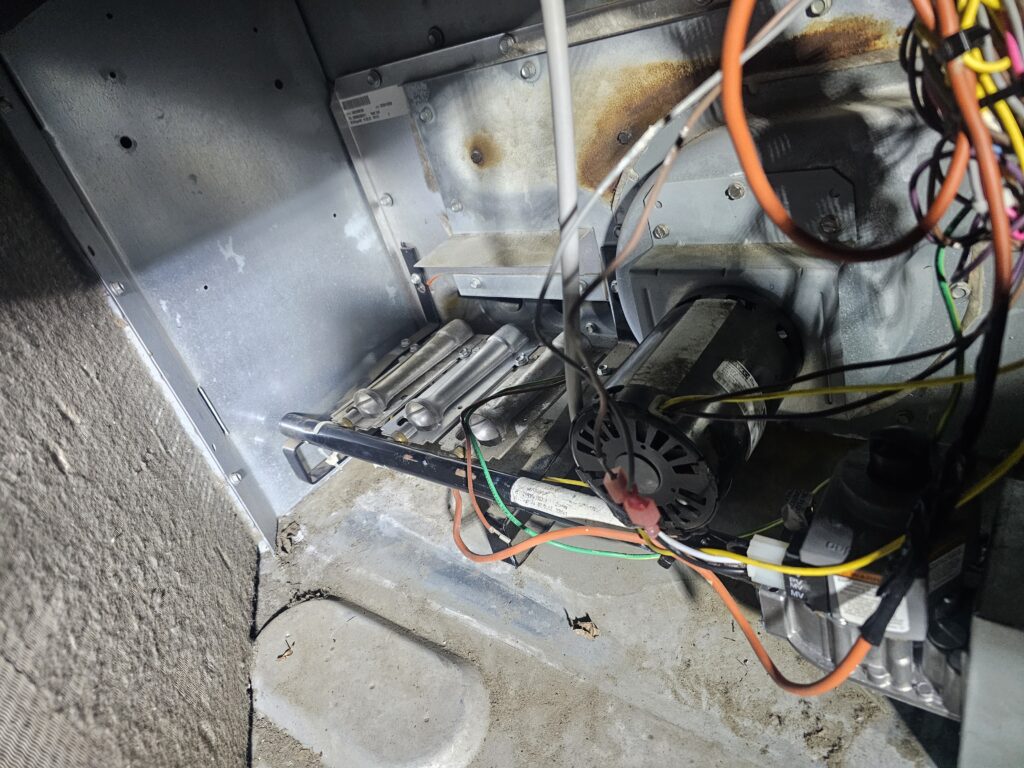
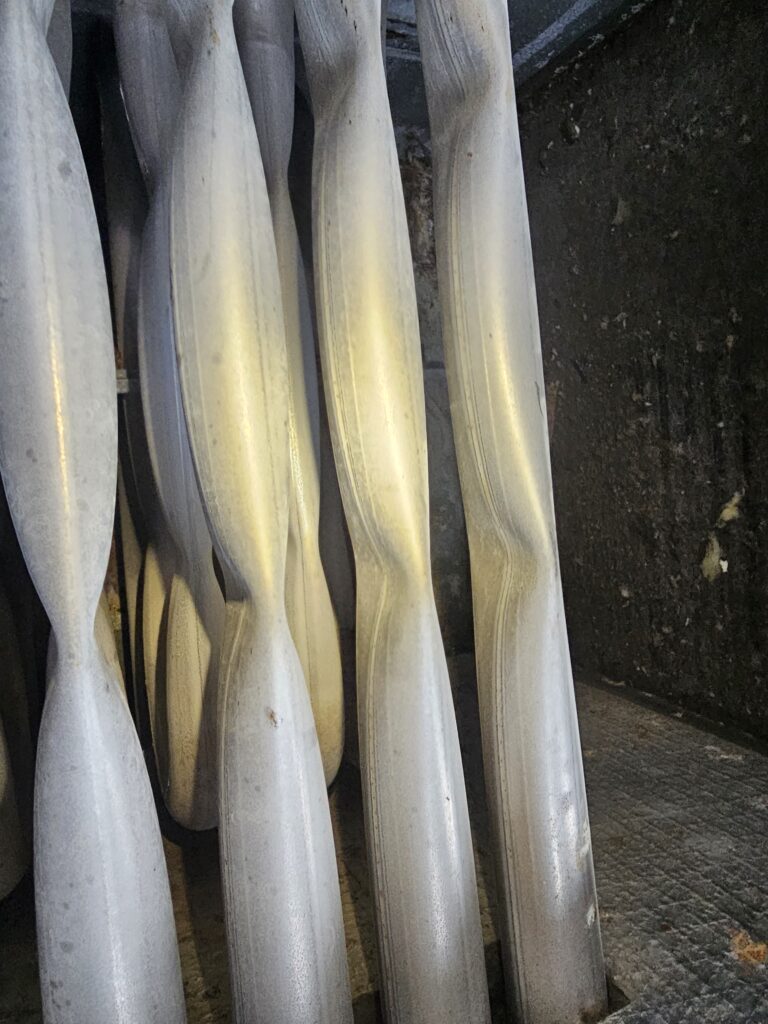
Inside a gas furnace, the burners fire into a set of metal chambers or tubes. That metal gets hot, the blower pushes your home's air across the outside of it, and warm air goes out through the ducts. The combustion gases stay on the inside of the metal and leave through the flue. The heat exchanger is the wall between the fire and the air you breathe.
Why a cracked heat exchanger is dangerous
When that metal cracks or rusts through, the wall stops doing its job. Combustion gases, including carbon monoxide, can mix with the air the blower sends through your home. Carbon monoxide has no color and no smell, which is why it's so easy to miss and why a working CO alarm near the bedrooms matters so much.
A breach can also change how the burners behave. Air from the blower can push through the crack and disturb the flame, leading to rollout, soot, and the furnace tripping its safety switches. None of it is something to ignore, and none of it gets better on its own.
Get everyone, pets included, out of the house. Call 911 or your gas utility's emergency line from outside, and don't go back in until they say it's safe. Once the house is cleared, call us any time at (503) 334-9584 about emergency heating.
The warning signs worth paying attention to
Some signs you can notice yourself. Headaches, nausea, or dizziness that ease when you leave the house are the most serious. Soot or scorch marks around the burner area, a flame that dances or lifts when the blower kicks on, a furnace that keeps shutting itself off, and a CO alarm that chirps or sounds are all reasons to call.
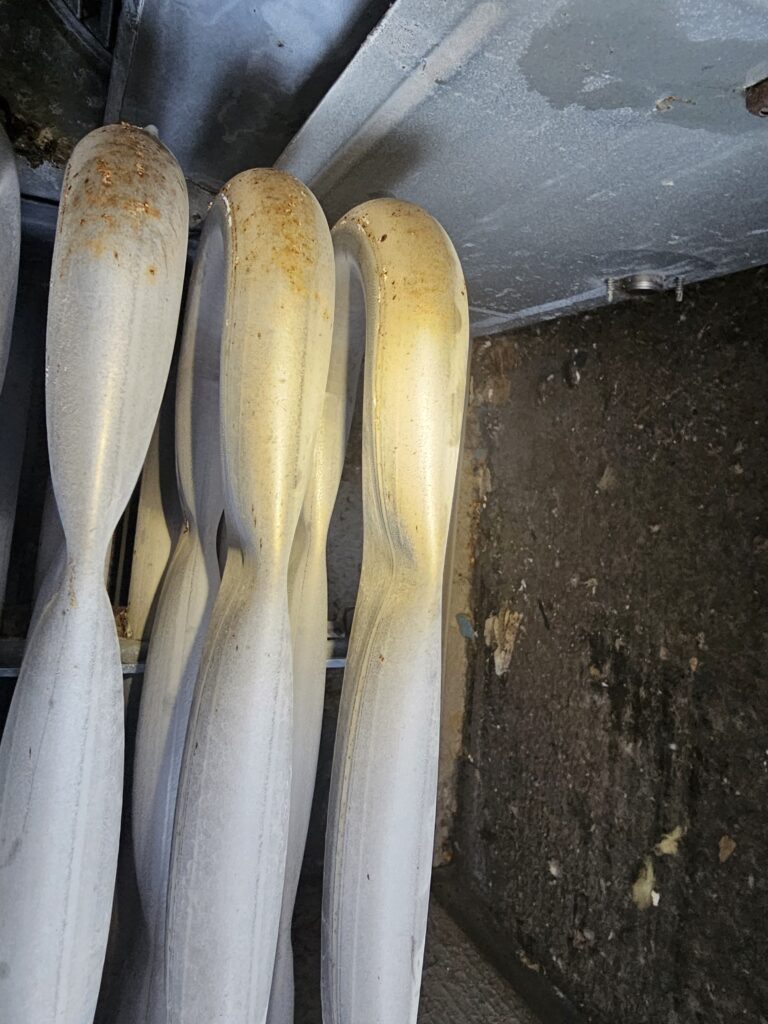
Rust on its own is not proof of a crack. Older furnaces in our damp Portland-area climate often show surface rust on the heat exchanger and cabinet. It's worth documenting and watching, and it can point to moisture or venting problems, but a technician needs to confirm an actual breach before anyone calls the furnace done.
Real crack or misdiagnosis? Signs at a glance
Here's how we sort what a homeowner tells us on the phone. The highlighted column is the one that should drive your next step for that row.
| What you notice | Shut it down now | Worth a second look |
|---|---|---|
| CO alarm | Sounding or reading high | Quiet, recently tested |
| How people feel | Headaches or nausea that ease outside | No symptoms at all |
| Burner area | Soot, scorch marks, or rollout | Clean, steady blue flame |
| Flame behavior | Lifts or dances when the blower starts | Unchanged when the blower runs |
| Rust | Holes or rust-through you can see | Surface rust only |
| Furnace shutting off | Along with any symptom above | On its own, no other signs |
| The diagnosis | Crack shown to you and confirmed | No photos, only a replacement quote |
The tagged-out furnace that wasn't cracked
One of the jobs we're proudest of started with a furnace another company had called cracked. They had tagged the system out and turned the gas off, and they were working toward a replacement. When we appraised it, we traced the real problem to the condensate pump. After about ten years, the contacts and circuitry inside it had corroded to the point that it could no longer pass 24 volts downstream to the rest of the system.
We jumpered around the failed pump circuit, then verified the system was not breaching before we did anything else. Because the gas had been shut off and the unit tagged, we made sure everything checked out before it ran again. It did, and the furnace went back to heating the house. That customer has since had us back for a lot of other work.
“A lot of customers want to know where the money's going and why. It starts with fixing the problem the right way the first time.”— Talon Mechanical
Signs it's a real crack
The evidence lines up and the furnace should stay off until it's fixed or replaced.
What we look for
- The technician can show you the crack or rust-through in photos, not just describe it.
- There are physical clues at the burners, like soot, scorch marks, or a flame that moves when the blower starts.
- The CO alarm has gone off, or people in the house feel better once they step outside.
- Testing confirms the breach after other causes have been checked and ruled out.
Signs you need a second opinion
The diagnosis came fast and the only option offered is a whole new system.
What changes the answer
- Nobody showed you the crack, and the only thing you received was a replacement quote.
- The furnace stopped working without any burner soot, flame changes, or CO alarm.
- Electrical parts, like a condensate pump, a switch, or a control board, were never tested.
- The visit felt more like a sales pitch than a diagnosis, and something didn't sit right.
If a company tells you the heat exchanger is cracked, it's fair to ask for photos of the crack itself and an explanation of how it was confirmed. If the only option on the table is a whole new system, that's a good moment to get a second opinion. Multiple quotes are always a good idea, and a sincere technician won't mind.
When replacement really is the answer
A confirmed breach on an older furnace usually does mean it's time for a new heating system. When that's the case, we'll show you what we found and walk you through options. We like Goodman equipment: it's more basic than some brands, with fewer bells and whistles, and that tends to mean better reliability over the long term, and it still comes with a ten-year warranty. If you're on the fence, our post on signs it's time to replace your heat covers the bigger picture.
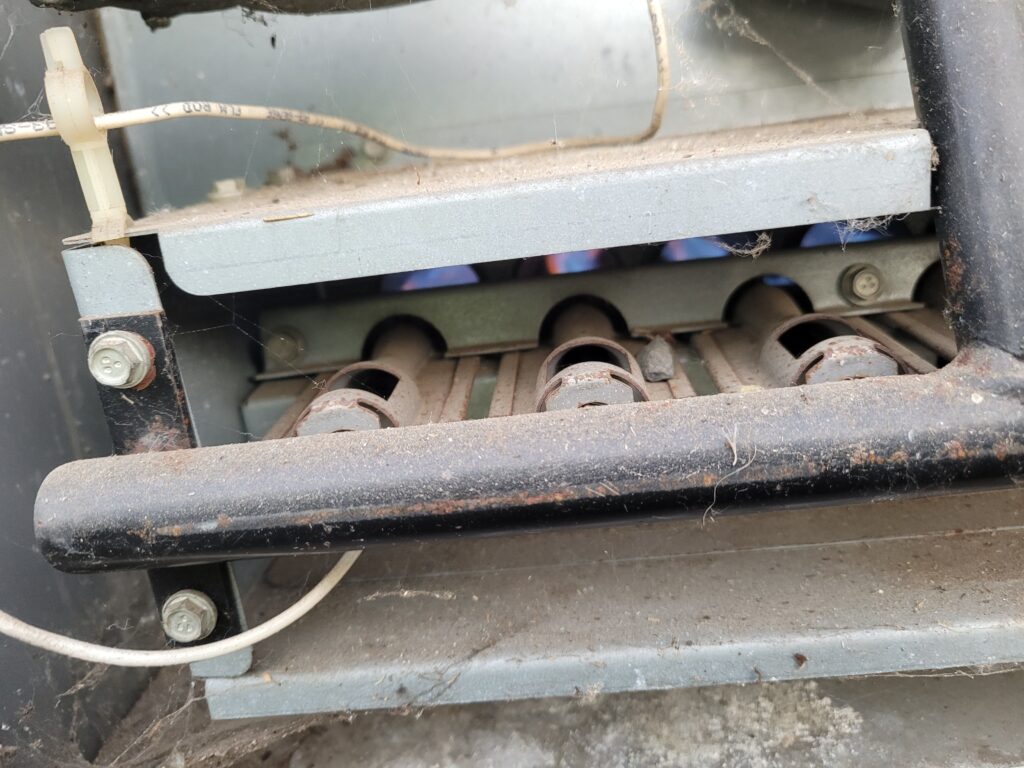
The decision table
Find your situation in the left column. If anything in your rows says shut it down, do that first, and worry about the second opinion once everyone is safe.
| If your furnace… | Get a second opinion | Shut it down now |
|---|---|---|
| Set off the CO alarm | After you're safe | Yes, get outside |
| Comes with headaches that ease outside | Not first | Yes |
| Shows soot or scorch marks at the burners | Once it's off | Yes |
| Was tagged out with no photos shown | Yes | Leave it off for now |
| Has surface rust but runs normally | Yes, have it checked | Not on rust alone |
| Got a replace-only quote | Yes | Depends on symptoms |
The bottom line
Take a cracked heat exchanger seriously, every time. If there are symptoms or a CO alarm, get out first and ask questions later. But a diagnosis is only as good as the testing behind it, and an expensive replacement deserves proof. If you want someone to take an honest look, our heating repair team offers free onsite diagnostics (terms and conditions may apply, so call (503) 334-9584 for details), and every repair we make carries our 30-day guarantee.