
When to call for emergency HVAC service in the Portland metro
On this page · 9 sections
It's 2 a.m., the house is getting colder by the hour, and the furnace is silent. Or it's the hottest afternoon of July, the AC has quit, and there's someone at home who really shouldn't be sitting in that heat. The question is always the same: is this an emergency, or can it wait until morning? You can call us any time, and we get that call at all hours. The honest answer is that some problems truly can't wait, and some only feel urgent.
This post walks through how to tell the difference. It covers the signs that mean pick up the phone now, the few situations where you should leave the house before you call anyone, the quick checks that solve more problems than you'd think, and the ones that can safely wait for a scheduled visit.
The short answer
Bottom Line Up Front
Call right away for no heat in freezing weather, no cooling during a heat wave with older or vulnerable people at home, a burning smell, water pooling near the equipment, or a breaker that won't stay on. If you smell gas or a carbon monoxide alarm sounds, get out first and call 911 or your gas utility. A new noise, an uneven room, or a blank thermostat that fresh batteries fix can wait for a scheduled visit.
The test is simple: is it unsafe, and does waiting put people or property at risk? If the answer to either is yes, it's an emergency. If the system is still running and everyone is comfortable, a few quick checks and a regular appointment are usually all you need.
weekends included
if we got it wrong, we fix it free
before you call
The rest of this post explains the reasoning behind each of those calls, and ends with a decision matrix you can scan in under a minute when you're standing in a cold hallway at midnight.
Signs your HVAC problem is an emergency
An emergency is about two things: whether the problem is unsafe, and whether waiting puts people or property at risk. A furnace that quits on a mild October evening is an inconvenience. The same furnace quitting during a Gresham ice storm, in a house with an elderly parent or a newborn, is a different situation entirely. The equipment failure is the same. The stakes are not.
These are the situations where we'd tell anyone to call right away: no heat when it's freezing outside, no cooling during a heat wave with older or vulnerable people at home, a burning or electrical smell coming from the equipment or the vents, water pooling around the furnace or dripping through a ceiling, and a breaker that trips again as soon as you reset it. Any of those is reason enough to call our emergency HVAC service instead of waiting for business hours.
That last one, the breaker, deserves a closer look. A breaker that keeps tripping is protecting you from something, and resetting it over and over is not a fix. We once got called to a home where the heat pump had quit and the backup electric heat kept tripping the breaker all winter. Two companies had already told the owner the system was old and needed replacing. The real problem was an undersized breaker. Once we sorted that out, tuned up the electric furnace, and got the heat pump running again, the heating bill dropped dramatically.
Gas smells and carbon monoxide alarms: get out first
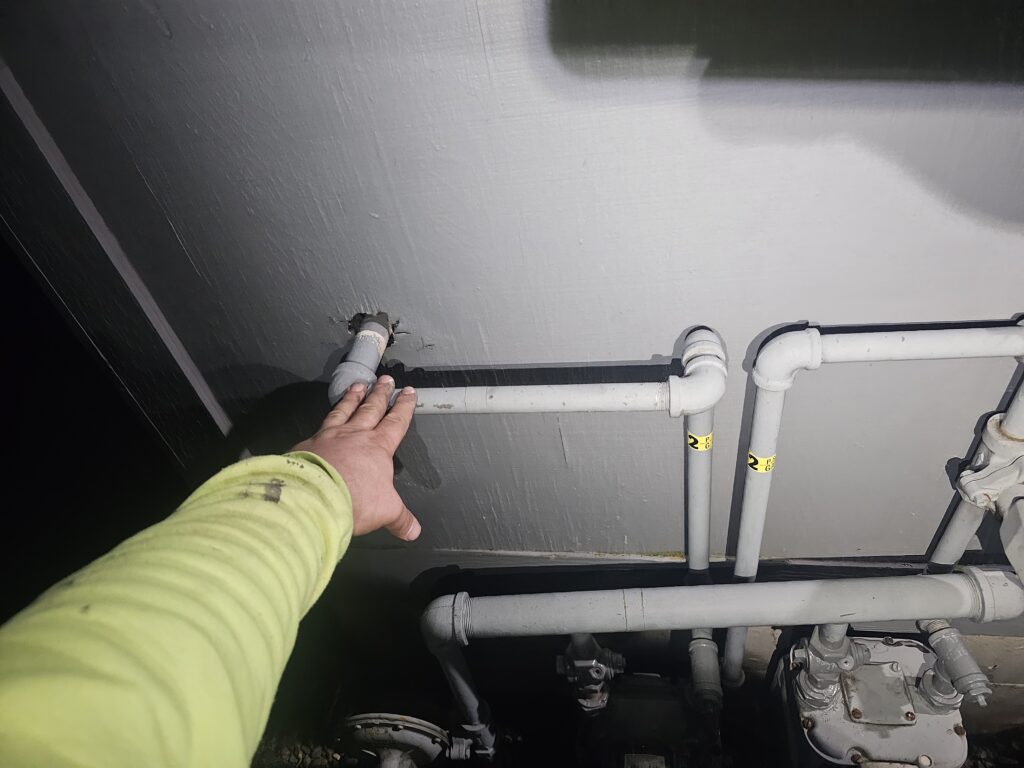
If you smell gas (a rotten-egg smell) or your carbon monoxide alarm goes off, don't troubleshoot. Don't flip light switches, don't adjust the thermostat, and don't go looking for the source. Get everyone, pets included, out of the house. Then call 911 or your gas utility from outside. Once the home has been cleared as safe, call us at (503) 334-9584 and we'll find out what caused it.
Gas and carbon monoxide are the two situations where an HVAC company is not your first call. A CO alarm can point to a venting problem or a damaged heat exchanger, which we cover in our post on the dangers of a cracked heat exchanger. That's a problem we can diagnose and fix, but only after everyone is safe and the emergency responders have done their part.
Call now or wait? At a glance
Here's the comparison we'd talk you through on the phone. Each row is something you can see, smell, or hear without opening any equipment. The highlighted cell is the one that should drive your decision.
| What you're seeing | Call now | Can usually wait |
|---|---|---|
| No heat | Below freezing, or vulnerable people at home | Mild weather, house holding temperature |
| No cooling | Heat wave, older or vulnerable people at home | Warm but bearable, everyone comfortable |
| Smells | Burning or electrical smell | Dusty smell on the first cold morning |
| Breaker | Trips again right after a reset | Tripped once, reset, and has held |
| Water | Pooling, dripping through a ceiling, or near wiring | A small damp spot by the drain line |
| Noise | Grinding or banging, then shutdown | New hum or rattle, system still running |
| Thermostat | Still blank after batteries and a breaker check | Blank screen that fresh batteries fix |
| One room | Whole house losing temperature | One room a few degrees off |
What to check before you call
A surprising number of no-heat and no-cooling calls come down to something simple. That's why our process starts on the phone. When you call, we'll talk through what you're seeing, and we may ask you to look at the fan, the breaker box, or the thermostat. Sometimes that conversation saves you a visit altogether. Sometimes it tells us exactly what to bring.
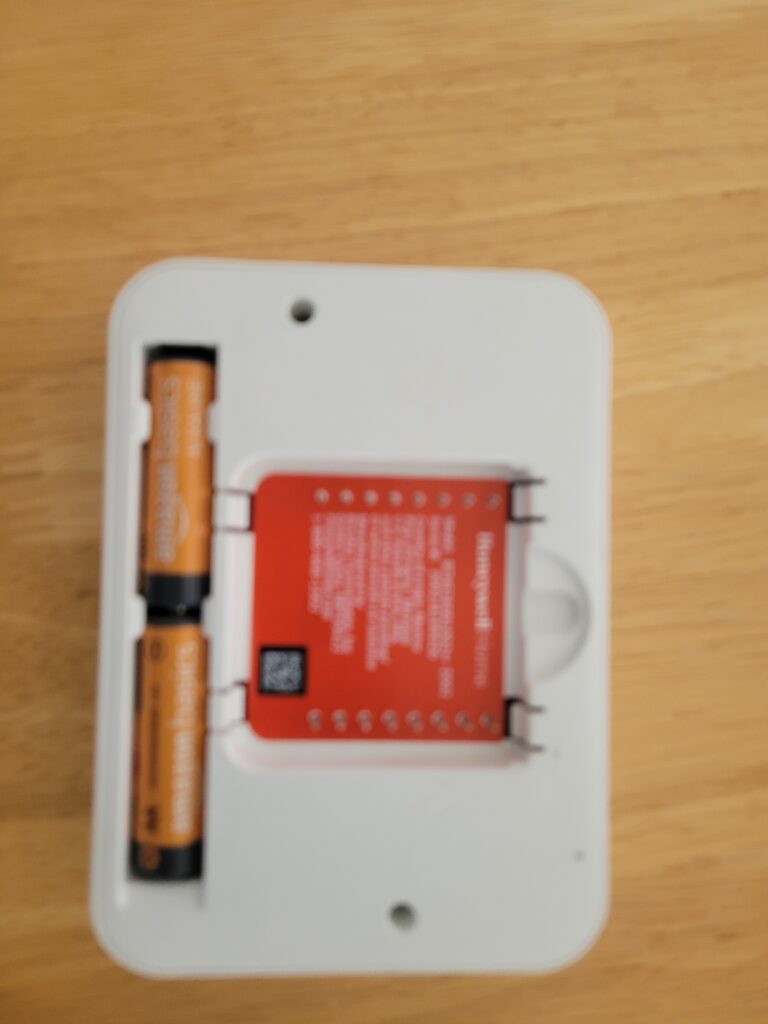
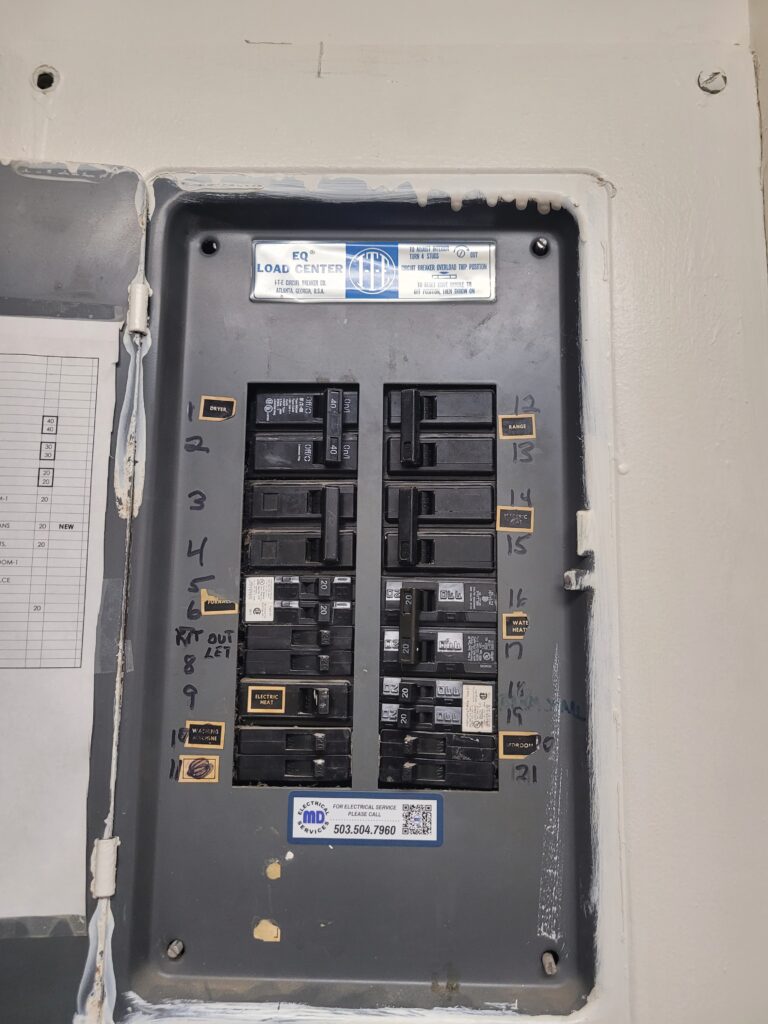
First, the thermostat: is it set to heat or cool, is the setpoint right, and does the screen come on? If it's blank, try fresh batteries. Second, the breaker panel: look for a tripped breaker labeled furnace, air handler, or AC, and reset it once. If it trips again, leave it off and call. Third, the air filter: a filter clogged solid can choke airflow badly enough to shut a system down.
Call us now
Something is unsafe, or waiting puts people or property at risk.
What we listen for
- The house is losing heat and it's below freezing outside.
- The AC is out during a heat wave and someone at home is elderly, ill, or very young.
- A breaker trips again as soon as it's reset, or there's a burning smell at the vents.
- Water is pooling around the furnace or air handler, or coming through a ceiling.
Schedule a visit
The system is running, nobody is at risk, and a few checks have ruled out the simple stuff.
What can wait for daylight
- A new noise from a system that's still heating or cooling.
- One room running a few degrees warmer or cooler than the rest of the house.
- A thermostat that came back on after fresh batteries.
- A dusty smell the first time the heat runs in fall, gone within the hour.
What happens when you call after hours
When you reach us at (503) 334-9584, we start by asking what's happening and walking through the checks above. If it's clear you need someone out, a technician heads your way. On site, the goal is to find the actual cause, not the most expensive one. We test the controls, the wiring, the ignition, and the gas supply step by step, so you understand where your money is going before any work begins.
Emergencies are also when homeowners feel the most pressure to say yes to a replacement on the spot. We once took a call where another company had shut off the gas and tagged a furnace out, telling the owners it needed to be replaced. When we traced the fault, it turned out to be a condensate pump whose internal contacts had corroded until they could no longer pass 24 volts downstream. After we verified the system was safe, the furnace could run again. If you're being told in the middle of the night that a new system is your only option, it's worth reading about getting a second opinion before an HVAC replacement.
“Customers want to know where the money's going and why. At 2 a.m., with the house getting cold, that matters even more.”— Talon Mechanical
Problems that can usually wait for a scheduled visit
Not every problem needs a technician tonight. A system that's still running but making a new noise, one room that's a few degrees warmer or cooler than the rest, a dusty smell on the first cold morning of fall, or a thermostat that came back to life with fresh batteries can all wait for a regular appointment. Book those through our scheduling page, and if it's heating or cooling performance that's slipping, our heating repair and AC repair pages explain what we look for.
The best way to avoid a middle-of-the-night call is to catch the small stuff early. Worn belts, weak capacitors, dirty coils, and clogged filters are the kinds of things a routine HVAC maintenance visit finds before they leave you without heat on the coldest night of the year. Businesses can schedule the same kind of attention through our commercial HVAC service.
The decision matrix
Read down the left column to find what your system is doing, then look across. If any row lands on "Call now," that's your answer, even if the others say it can wait.
| If your system… | Call Now | Book a Visit |
|---|---|---|
| has no heat and it's freezing outside | Yes | Too long to wait |
| has no cooling with vulnerable people at home | Yes | Not in a heat wave |
| keeps tripping the breaker | Yes — leave it off | No |
| gives off a burning smell | Yes — shut it off | No |
| set off the CO alarm or smells of gas | Get out, call 911 first | No |
| is running but making a new noise | If it shuts down | Yes |
| leaves one room a few degrees off | Overkill | Yes |
| came back after new thermostat batteries | Not needed | If it happens again |
The bottom line
If it's unsafe, or if waiting puts someone vulnerable at risk, call now. If you smell gas or a CO alarm goes off, get out and call 911 or your gas utility before you call anyone else. And if the system is still running and everyone is comfortable, check the thermostat, the breaker, and the filter, then book a regular visit.
If you're not sure which side of the line you're on, call us at (503) 334-9584. You can call us any time, we'll talk it through with you on the phone, and if we come out and fixed it incorrectly, our 30-day guarantee means we come back and make it right at no charge.