
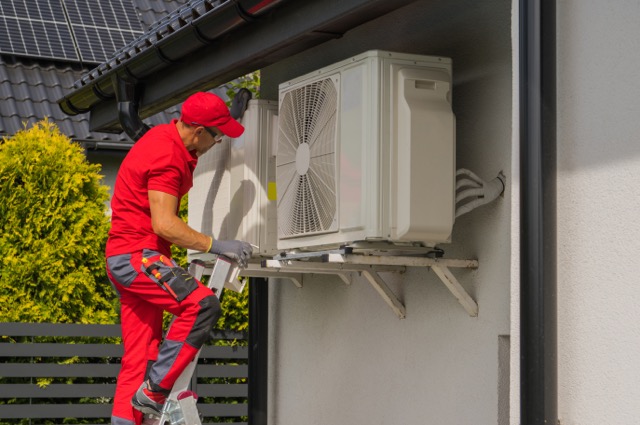
Your Pre-Summer AC Tune-Up Checklist
Summer Hits Fast in the Portland Metro — Is Your AC Ready?
Oregon summers are deceptive. It's 60 degrees and drizzling one week, and 95 degrees the next. When the heat arrives, it arrives all at once — and that's when every HVAC company in the metro gets slammed with calls from homeowners whose AC won't start, blows warm air, or makes sounds they've never heard before.
The best time to find out your air conditioner has a problem is before you actually need it. A pre-summer tune-up catches worn parts, low refrigerant, dirty coils, and electrical issues while there's still time to fix them on your schedule — not in the middle of a heat wave when you're competing with everyone else for an appointment. Here's what a proper tune-up covers and what you can do yourself before calling a pro.
Schedule Your Tune-Up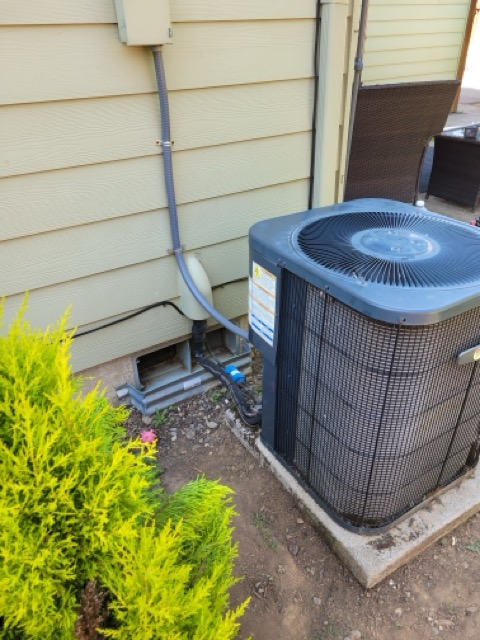
What You Can Do Before Calling a Technician
You don't need to be an HVAC expert to handle the basics. Before summer hits, spend 20 minutes on these five tasks and you'll eliminate the most common reasons air conditioners underperform or fail early in the season.
Replace your air filter. This is the single most impactful thing you can do. A dirty filter restricts airflow, forces the blower to work harder, and can cause the evaporator coil to freeze. Check it monthly during cooling season and replace it when it looks gray or clogged — most homes go through a filter every 30 to 90 days depending on pets, dust, and usage.
Clear debris from around the outdoor unit. Your condenser needs airflow to release heat. Walk out to the unit and pull back any weeds, grass clippings, leaves, or mulch that have accumulated within two feet of the cabinet. Trim branches overhead too — falling debris and dripping sap cause problems over time.
Open all supply vents and returns. Walk through the house and make sure no vents are closed, blocked by furniture, or covered by rugs. Closing vents doesn't save energy — it creates pressure imbalances that stress the system and can cause ductwork leaks.
Test the system before you need it. Set the thermostat to cooling mode, drop it a few degrees below room temperature, and let the system run for 15 to 20 minutes. Listen for unusual sounds, check that air is coming out of all vents, and confirm the air feels cool. If something seems off, you'll have time to schedule a service call before the rush.
Check your thermostat batteries. If your thermostat runs on batteries, swap them out now. A dead thermostat battery is an embarrassingly common reason for a "no cooling" call — and it's a fix you can handle in two minutes.
"Robert came out and checked my furnace, diagnosed and fixed what needed to be fixed. He was quick, knowledgeable, and friendly. He's definitely my go to guy next time!"
See our profile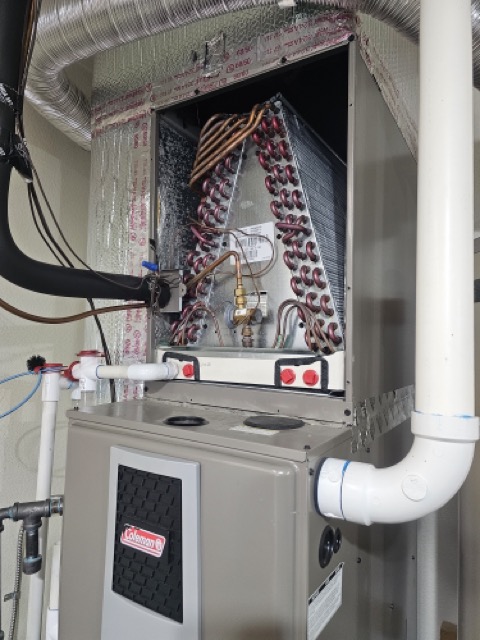
What a Professional AC Tune-Up Actually Covers
The DIY steps above are important, but they only address what's visible and accessible to a homeowner. A licensed technician goes deeper — checking the components you can't see, measuring performance with instruments, and catching the kind of slow-developing problems that turn into mid-summer breakdowns.
Refrigerant level check. Your AC doesn't consume refrigerant — if the level is low, there's a leak somewhere. A technician measures the charge, identifies any leak points, and corrects them. Running a system with low refrigerant damages the compressor and drastically reduces cooling efficiency. This is probably the most important thing a professional checks that you can't check yourself.
Evaporator and condenser coil cleaning. Even with regular filter changes, dust and grime build up on the indoor evaporator coil over time. The outdoor condenser coil collects dirt, pollen, and cottonwood fuzz. Dirty coils reduce heat transfer, which means your system runs longer and harder to reach the same temperature. A technician cleans both coils and inspects them for corrosion or damage.
Electrical connection inspection. Loose wiring, corroded terminals, and worn contactors are the leading cause of AC no-start failures. A tune-up includes tightening connections, checking capacitor health, testing the contactor, and measuring voltage and amperage to make sure everything is within manufacturer specifications.
Condensate drain inspection. Your AC removes humidity from the air, and that moisture drains through a condensate line. If the line is clogged with algae or sediment, water backs up — potentially into your ceiling, walls, or air handler. A technician clears the drain and confirms it's flowing freely.
Thermostat calibration and system cycle test. The technician verifies that your thermostat is reading the correct temperature and that the system cycles on and off properly. They'll also check the temperature split — the difference between the air going into the return and the air coming out of the supply vents — to confirm the system is cooling within normal range.
"Robert did an excellent job very friendly very professional and did an amazing job on the work he did for us I would recommend him to anyone he is very kind and cleans up his stuff very well."
See our profileWhen a Tune-Up Reveals a Bigger Problem
Sometimes a tune-up confirms everything is running well. Other times, it uncovers something that changes the conversation. Here are the findings that usually mean a repair isn't enough.
The compressor is struggling. If amp draws are high, the compressor is hard-starting, or there's visible damage, the most expensive component in your AC is on borrowed time. A compressor replacement often costs more than half the price of a new system — at which point a full AC replacement is usually the smarter investment.
The system still uses R-22 refrigerant. R-22 (Freon) was phased out of production in 2020. If your system requires it and has a leak, the refrigerant alone can cost hundreds of dollars per pound — if it's even available. Systems that still run on R-22 are typically 15+ years old and candidates for replacement regardless.
Repair costs are stacking up. A good rule of thumb: if the cost of the repair exceeds 50% of what a new system would cost, or if you've had two or more significant repairs in the past two years, replacement is usually more cost-effective than continuing to patch an aging unit. Robert will always give you both options and let you decide — no pressure, no hard sell.
"He gave me lots of options to work with. He is really knowledgeable and passionate about his work. He doesn't work with a certain manufacturer so he's not making any commission on selling you new appliances like some other HVAC companies do."
See our profile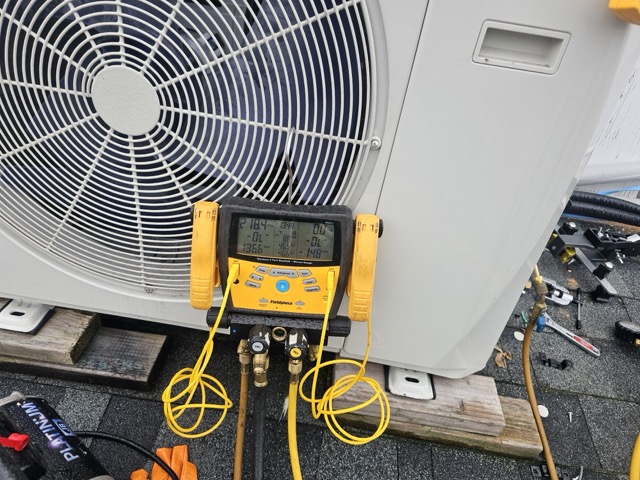
AC Tune-Up FAQs
Once a year is the standard recommendation — ideally in late spring before temperatures climb. If your system is older than 10 years or you've had recent repairs, twice-a-year checkups (spring for cooling, fall for heating) give you better coverage. Regular HVAC maintenance is the most reliable way to avoid surprise breakdowns and extend the life of your equipment.
A thorough tune-up typically takes 45 minutes to an hour. If the technician finds an issue that requires additional diagnosis or a minor repair, it may take a bit longer. Robert will let you know upfront what he's finding and how long any additional work would take before proceeding.
Yes. Many AC problems develop silently — low refrigerant, a weakening capacitor, a slowly clogging condensate drain. Your system can appear to work while running inefficiently and accumulating stress on expensive components. A tune-up catches those issues before they turn into a breakdown during the week you need cooling most.
Late April through early June is ideal. The weather is still mild enough that you won't need the system running constantly, and HVAC companies haven't hit their summer rush yet. Scheduling early means faster appointments, more flexibility, and time to handle any repairs before the heat arrives.
It can. A system with clean coils, proper refrigerant charge, and tight electrical connections runs more efficiently than one that's been neglected. The Department of Energy estimates that routine maintenance can reduce cooling costs by 5% to 15%. The savings won't be dramatic on any single bill, but they add up over a full cooling season — and you also avoid the much larger cost of an emergency repair.
Call (503) 334-9584 and ask Robert directly about maintenance options. As an owner-operated company, Talon Mechanical can often tailor a service schedule to your specific equipment and needs rather than locking you into a one-size-fits-all contract.
Robert was one of the HVAC contractors who gave me an estimate for my furnace replacement. I submitted a request on the website Sunday morning, and he came by to check things out that same afternoon. He was knowledgeable, courteous, and offered very competitive prices. I'd gladly recommend Talon Mechanical to anyone needing help with their HVAC equipment.
Related HVAC Services
AC Repair
When your tune-up uncovers a problem, Talon Mechanical handles the repair on the spot whenever possible.
Learn MoreAC Replacement
If your system is past its prime, Robert will walk you through replacement options — including choosing your own equipment.
Learn MoreCommercial HVAC
Talon Mechanical also serves commercial properties across the Portland metro with the same transparent, owner-direct service.
Learn MoreSchedule Your AC Tune-Up Today
Don't wait for the first 90-degree day to find out your AC has a problem. Call Talon Mechanical now while appointments are still easy to get — Robert will make sure your system is ready for whatever summer throws at it.
Call (503) 334-9584
Talk directly with Robert to schedule a time that works for you.
Get a Full Inspection
Robert checks refrigerant, coils, electrical, drainage, and overall system performance.
Stay Cool All Summer
Head into the heat with a system that's clean, charged, and ready to perform.